A Simple Guide for Shopping Local
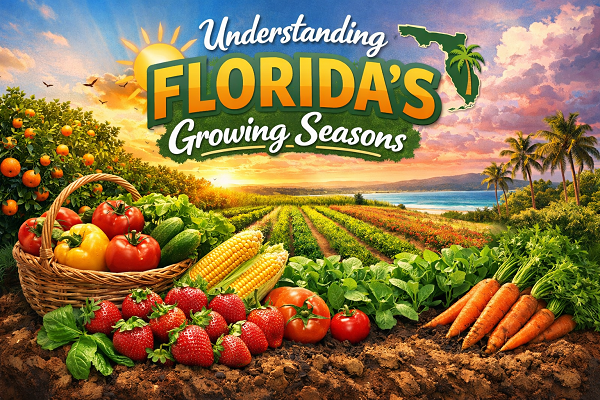
Florida’s growing seasons look very different from the rest of the country. While many states slow down in winter, Florida farms are just getting started. Understanding Florida’s unique growing seasons can help you shop more seasonally, find better-tasting produce, and know what to expect when visiting the Hobe Sound Farm Stand throughout the year.
This simple guide breaks down Florida’s growing seasons so you can make the most of fresh, local food all year long.
Why Florida’s Growing Seasons Are Different
Florida’s warm climate allows farmers to grow crops during months when much of the country cannot. Instead of a short summer growing window, Florida has multiple overlapping seasons, with fall, winter, and spring being the most productive months for local produce.
Because of this, Florida farm stands often carry fresh, in-season fruits and vegetables when grocery stores elsewhere rely on imported produce.
Florida’s Growing Seasons Explained
Winter (December–February)
Winter is peak season for Florida farms and one of the best times to shop at the Farm Stand.
What’s growing:
- Citrus (oranges, grapefruit, tangerines)
- Greens and herbs
- Carrots, beets, radishes
- Broccoli, cabbage, cauliflower
- Strawberries
Cooler temperatures improve flavor, reduce pests, and allow many crops to thrive. This is when Florida produce is at its freshest and most abundant.
Spring (March–April)
Spring continues strong production before the intense summer heat arrives.
What’s growing:
- Tomatoes
- Cucumbers
- Squash and zucchini
- Peppers
- Herbs
- Late-season strawberries
Spring is a transitional season, blending winter staples with warm-weather favorites.
Summer (May–September)
Summer is the most challenging growing season in Florida due to heat, humidity, and heavy rain.
What’s growing:
- Okra
- Sweet potatoes
- Southern peas
- Tropical fruits
- Limited greens
Many small farms scale back in summer, which is why local produce availability can be more limited the Farm Stand during these months.
Fall (October–November)
Fall marks the beginning of Florida’s busiest growing season.
What’s growing:
- Leafy greens (lettuce, kale, collards)
- Broccoli, cabbage, cauliflower
- Sweet potatoes
- Early citrus varieties
Fall is when the Farm Stand starts filling up again after the heat of summer, offering a wider variety of locally grown produce.
Why Shopping Seasonally Matters in Florida
Shopping with Florida’s growing seasons means:
- Fresher produce picked closer to peak ripeness
- Better flavor due to ideal growing conditions
- More local options instead of imported foods
- Support for Florida farmers when crops are naturally thriving
Seasonal eating also helps set realistic expectations. If something isn’t in season locally, it may not be available—or is likely imported from far away and even outside of the country.
What This Means When You Shop at the Hobe Sound Farm Stand
At the Hobe Sound Farm Stand, produce availability changes throughout the year. Winter and spring often bring the widest selection, while summer may focus more on shelf-stable goods, eggs, honey, and heat-tolerant crops. We look forward to seeing you during all seasons!
Click the photo above to check out the Fresh From Florida website to find out what is in season right now!